BRICS Expands Membership and Emphasises Global Cooperation

On 23 October 2024, the BRICS alliance officially welcomed 13 new partner countries, including Nigeria, during the 16th BRICS Summit held in Kazan, Russia. The nations joining this influential coalition are Algeria, Belarus, Bolivia, Cuba, Indonesia, Kazakhstan, Malaysia, Nigeria, Thailand, Turkey, Uganda, Uzbekistan, and Vietnam.
This expansion aims to enhance the bloc’s international influence and foster collaboration among emerging economies. Chinese President Xi Jinping, addressing the summit, emphasised the importance of high-quality development and cooperation among BRICS nations. He stated, “The enlargement of BRICS is a major milestone in its development history and a landmark event in the evolution of the international situation.” Xi’s remarks underscored the bloc’s commitment to advancing a multipolar world order amid significant global changes.
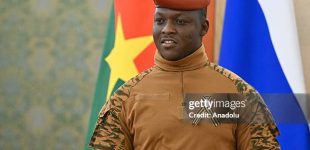
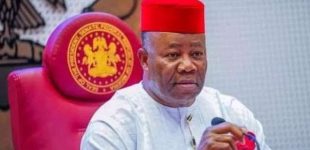
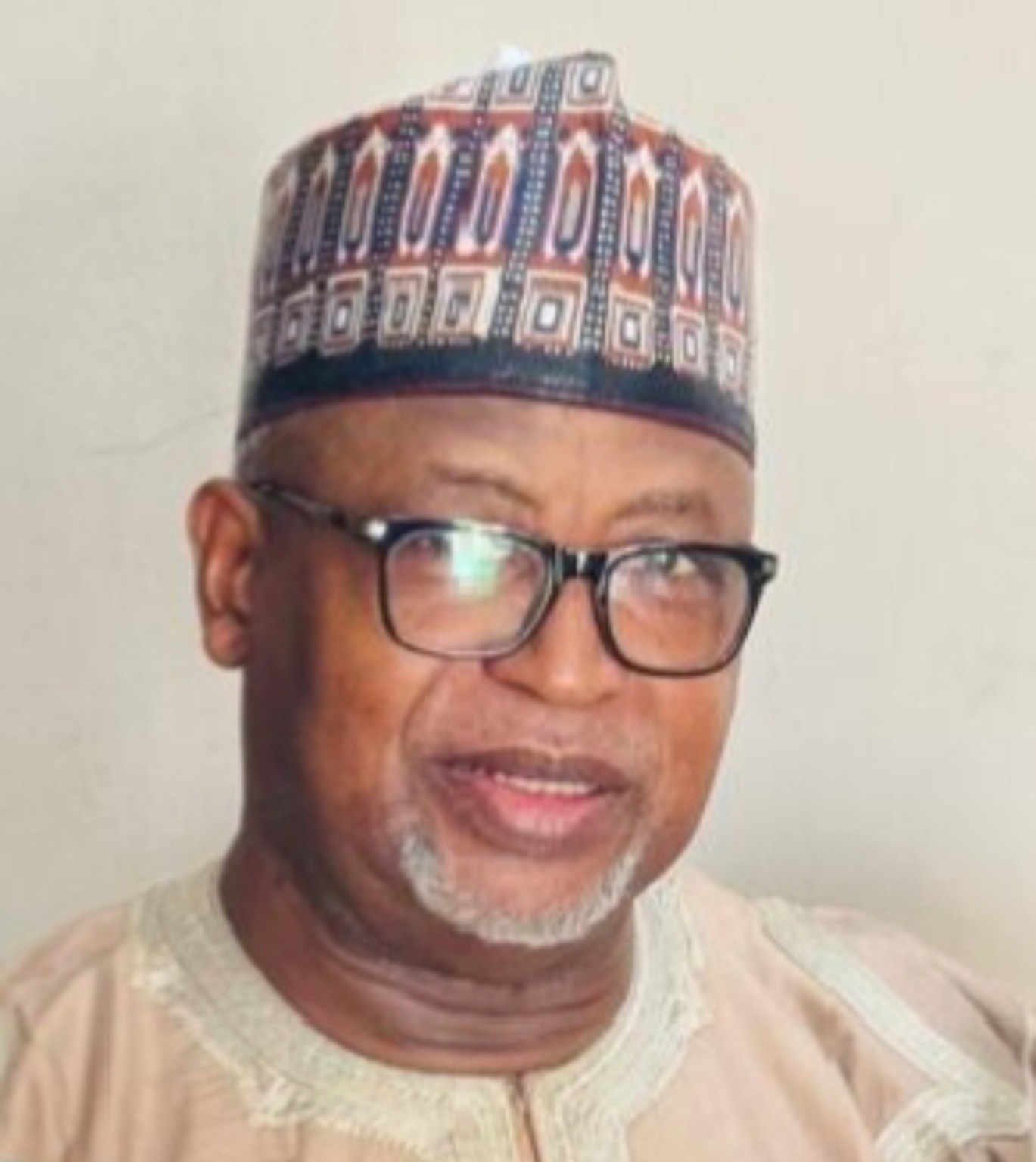
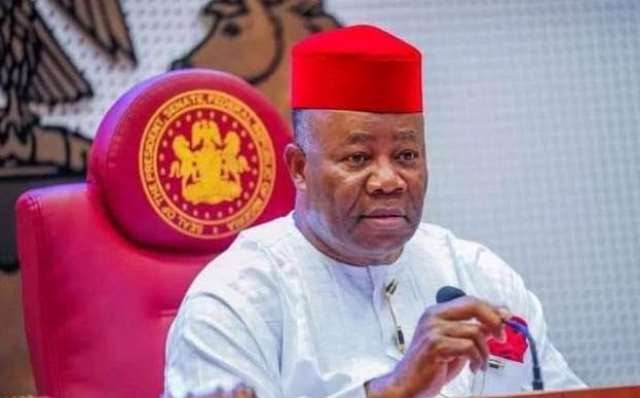
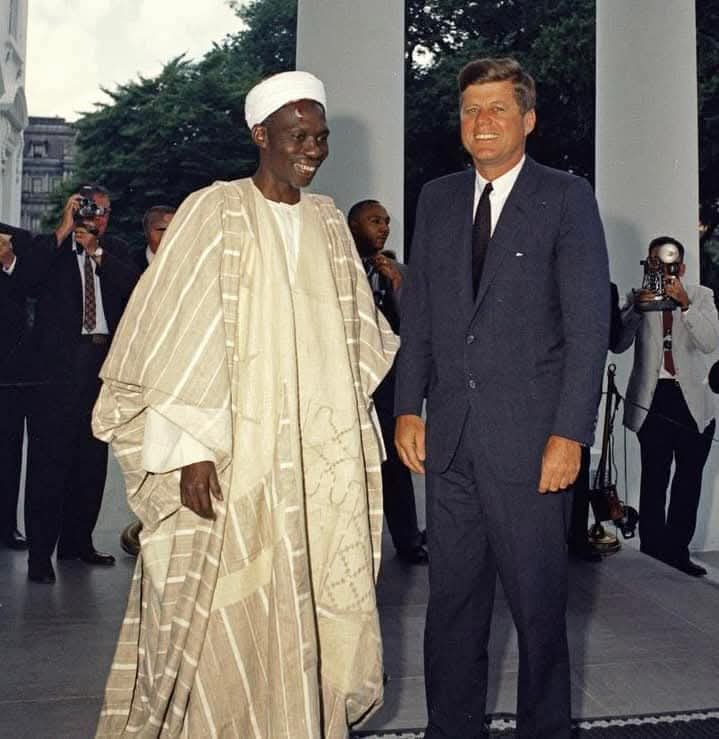
Controversy Surrounding Nigeria’s Participation The recent inclusion of Nigeria in the BRICS alliance has stirred controversy, particularly regarding the proposed reserve currency banknote that features
Key Highlights from the Summit President Xi highlighted five key areas for cooperation among BRICS nations:
– Innovation: Advocating for high-quality development and the establishment of a China-BRICS Artificial Intelligence Development and Cooperation Centre.
– Green Development: Promoting sustainable practices and cooperation in clean energy and green industries. Global
– Governance Reform: Urging BRICS to lead efforts in reforming global governance to better reflect the interests of developing nations.
– Cultural Exchanges: Emphasising the need for people-to-people interactions and mutual learning among civilisations.
– Peace and Security: Calling for a commitment to dialogue over confrontation, particularly concerning ongoing conflicts like the situation in Ukraine and Gaza.
The summit concluded with a commitment to uphold the principles of multilateralism, enhancing cooperation across various sectors, and fostering a more just and equitable international order.
The expansion of BRICS to include new partners represents a strategic shift in global dynamics, particularly in the face of challenges such as geopolitical tensions and economic uncertainties.
As the bloc seeks to solidify its role as a leader for the Global South, the focus remains on building a cooperative framework that addresses both regional and international concerns