What Do You Say About a Nation That Eats Itself? — by Hf Dauda MoiSoro
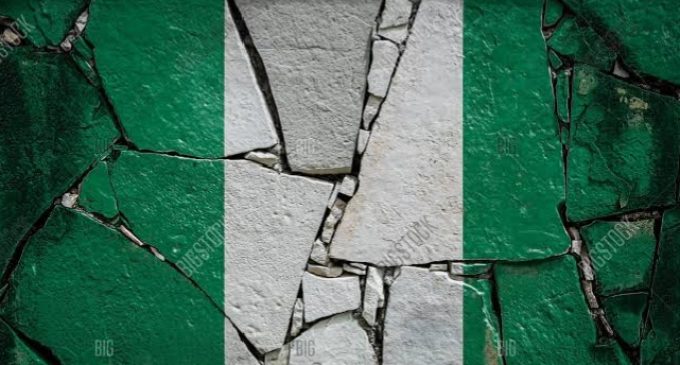
“When corruption, silence, and neglect become the norm, a nation slowly devours its own future.”
Nigeria is a land of contradictions. A country blessed with oil, fertile soil, brilliant minds, and an enduring spirit — yet cursed by the very leaders sworn to protect its people. We see abundance on one hand, and on the other, mismanagement that pushes millions into poverty. We hear of “giant of Africa,” yet the ordinary citizen feels the weight of humiliation each day. The world sees our music, our fashion, our smiles, but we live with broken systems, exploitative institutions, and a government that thrives on selective amnesia.
What do you say about a nation that cannot clean its trash? Each rainy season, disaster strikes. The heavens open, and instead of blessing, rain becomes a curse. Streets become rivers, homes are washed away, children drown, and livelihoods vanish. Why? Because we have turned our drainage channels into garbage repositories. We build homes and shanties on waterways. We choke the lifelines of our cities with plastic waste, rotten food, and refuse. Then we cry about flooding as if it were an act of God, when in truth, it is the work of our own negligence and greed.
What do you say about a nation that expects everyone to become wealthy from jobs that pay peanuts? A land where the dream of success is tied not to hard work or integrity, but to corruption, connections, and exploitation. Public resources are shamelessly converted into personal wealth. Loopholes are sought not to reform the system, but to milk it dry. Civil servants cheat the payroll, contractors abandon projects, and politicians proudly boast of “sharing” public money, as though stealing from the nation is an act of generosity. Here, honesty is mocked while theft is celebrated as wisdom.
What do you say about a country with a banking system that thrives on exploitation? Imagine: you must pay to withdraw your own money. Government caps withdrawals at ₦5,000 per day, creating artificial scarcity. Banks, instead of serving the people, enter the business of Point-of-Sale machines and profit from your suffering. You pay for every transfer, then still pay a “service charge” for the same transfer. You must bribe bank officials to collect mint notes for weddings or ceremonies. Market women and pensioners stand under the sun, begging for the little money they sweated for, only to be told “no cash available.” What kind of system weaponizes hunger and desperation against its citizens?
What do you say about a country that obeys none of its laws? Where the justice system has two faces — one for the weak and one for the powerful. The poor are punished swiftly and mercilessly for petty theft or survival crimes, while the rich thieves, the powerful looters, and the political godfathers are celebrated. A man who steals a goat is jailed for years; a governor who steals billions is given chieftaincy titles and sits comfortably in the Senate. Law enforcement officers openly demand bribes at checkpoints, and their superiors instruct them to “close their eyes” to corruption, whispering, “Wait for your turn.” What message does this send to a generation of youths watching? That crime pays, but only if you are big enough to escape the law.
What do you say about a nation that refuses to cater to the ordinary Nigerian with a simple living wage? The same government that pleads poverty when workers demand better salaries, turns around to allocate billions for political office holders — furnishing mansions, importing fleets of cars, padding budgets with luxury allowances, and multiplying aides for jobs that require only a handful. The gap between the ruling elite and the ruled is a wound that never heals. How can a government claim to serve its people when it cannot guarantee them food, healthcare, or education, yet ensures its own comfort with reckless abundance?
And then, what do you say about international media like CNN, that continually highlight African development in arts, cooking, tailoring, and music — important parts of our heritage — yet fail to motivate our people to build, to industrialize, to innovate in science, to explore space, to develop medicine, health systems, infrastructure, and education? Yes, Afrobeats is conquering the world, Nollywood entertains millions, and our fashion dazzles global runways. But is our destiny only to sing and dance for others? Where is the international push, or even our own internal will, to showcase African engineers building machines, African doctors leading research, African scientists winning Nobel Prizes, and African children excelling in mathematics and robotics? The message we receive, subtly but consistently, is that our highest calling is entertainment — while serious innovation belongs elsewhere.
And so we must ask ourselves: how long will this continue? How long will we celebrate mediocrity and worship thieves? How long will we tolerate trash in our gutters, corruption in our veins, and exploitation in our banks? How long will we let our leaders fatten themselves while we grow thinner by the day?
For this is how a nation eats itself — when its people are consumed by silence, when its leaders devour the commonwealth, and when its future is mortgaged for temporary gain. A country does not collapse overnight; it decays bite by bite, wound by wound, compromise by compromise. And if we do nothing, Nigeria will remain a banquet where the few feast while the many starve.
Nigeria is not doomed — but Nigeria is dying from the silence of its people. Nations are not destroyed by the wicked alone, but by the good who say nothing. If we must turn the tide, we must demand more: demand accountability, demand justice, demand infrastructure that works, demand wages that sustain, demand schools that teach, demand hospitals that heal.
Because in the end, history will not only ask what our leaders did to us. It will also ask: What did we, the people, say about it?
—
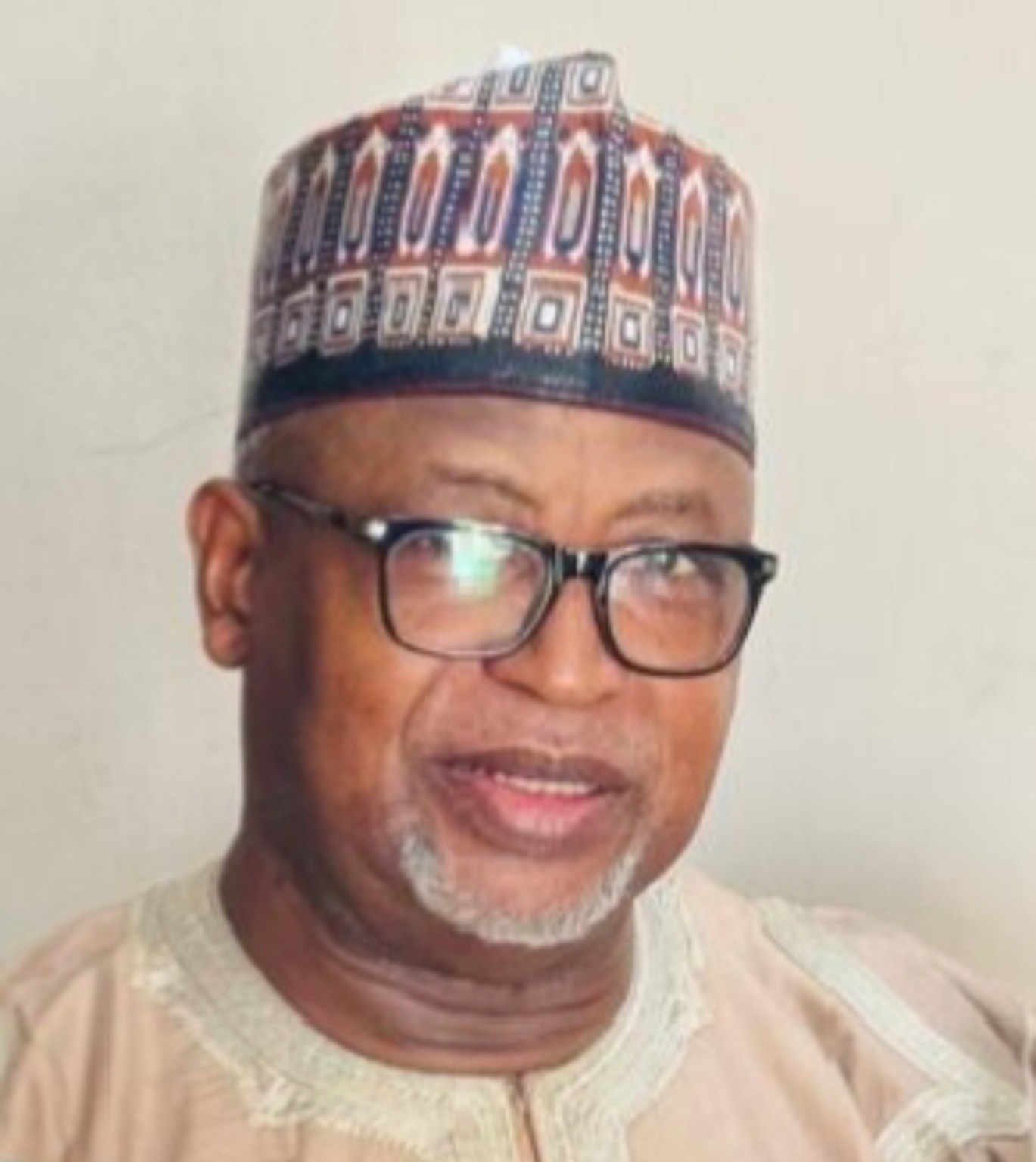
Engr. Hf Dauda MoiSoro is a writer and commentator on governance, society, and national development. He is also the author of the forthcoming book “Thirty Years Abroad: A Nigerian’s Journey from Potiskum to Washington DC and Back.”