”Nigerians are suffering is not an economic argument”… Sanusi Lamido Sanusi is an Ideologue
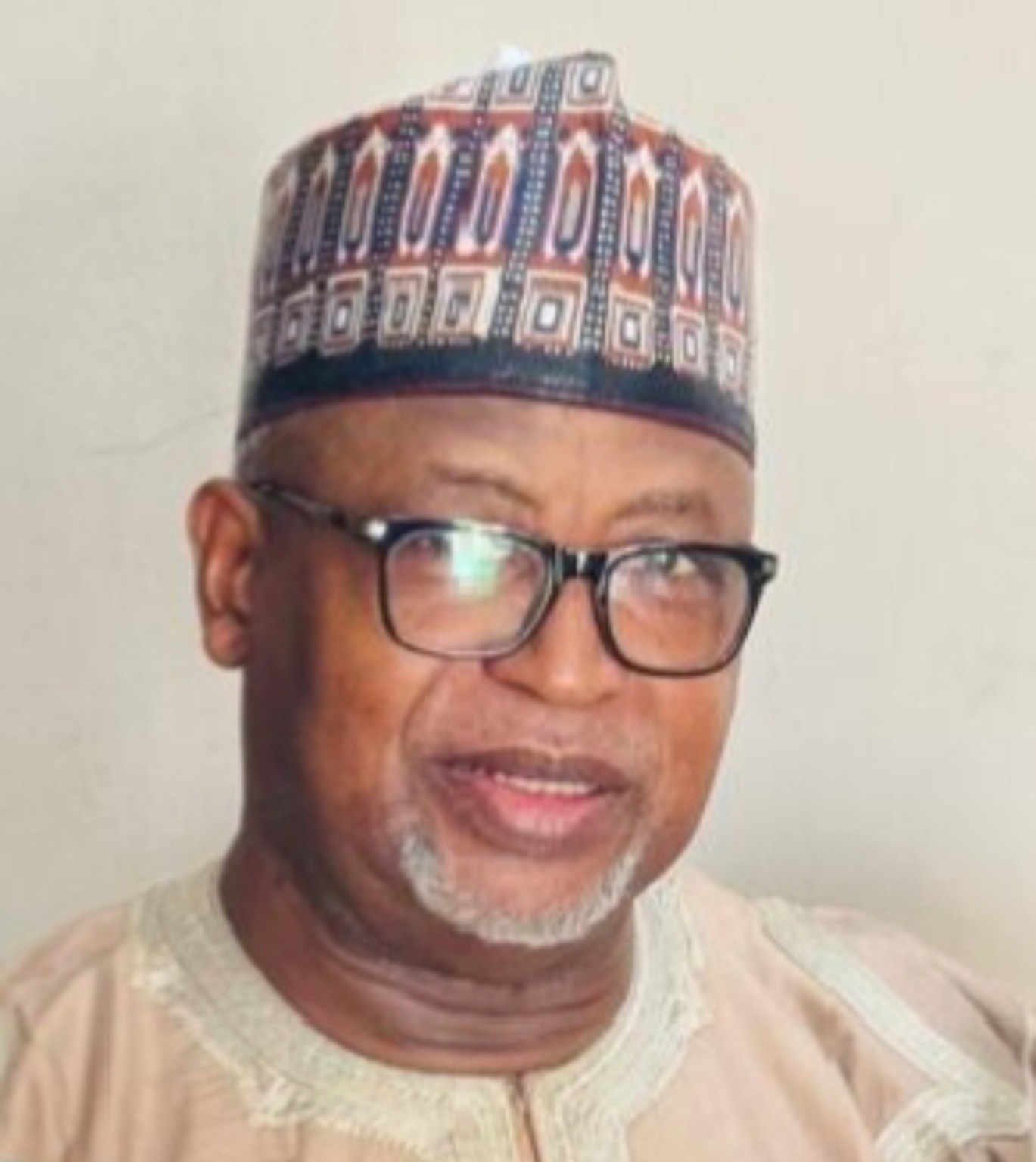
The brilliant response of Mal. Sani Ali of Political Science Department, BUK on the statement credited to Sunusi Lamido Sunusi that
”Nigerians are suffering is not an economic argument”…
“He is not just speaking economics but the language of an ideologue. He chooses to embark on a skewed analysis that focus on castigating the past in order to exonerate the present. In the Eighteenth Brumaire of Louis Napoleon Bonaparte, this is what Karl Marx calls “historical apologia”. At the heart of Sunusi’s writings before his appointment as the CBN governor was the concept of critique associated with Kant, Marx and later the critical theory/Frankfurt School where Hokheimer, Adorno, Marcuse and Habermas were popular.
At this time, Sanusi prided himself in political economy and was dismissive of conventional economics. His appointment as the CBN governor brought him into close romance with the State and international capital to which those who put him in that office completely succumb. The unquenchable thirst for power and relevance aside, the State and the international capital always constitute the horizon of his thought and analysis and as such is ideological to the extent that it is selective rather than comprehensive and holistic.
It is in this sense that he can champion the removal of subsidy as a panacea as if primitive accumulation is not preemptive of his economistic logic. In any way, the state is to be romanced rather than confronted not just because of its capacity for patronage but also because the masses are easy to sacrifice, and their point of view inevitably points to inconvenient confrontation with the statusquo, which is the very basis of the flamboyant and aristocratic life that he craves.
It is a transition from feudal socialism of the pre-CBN days into the comfort zone of the Nigeria’s plutocrats. It is largely in this broader context of one’s ideological leaning that one should comprehend the recent remarks credited to him “that Nigerians are suffering is not an economic argument”. It is as if there is no more logic outside his version of economics or even economics in general especially when political economy is now a taboo to him and his prospective employers.
As a student of political theory and sociology of knowledge, it pushes me to talk when I see a highly placed and respected personality trying to substitute ideology for knowledge, bias for objectivity. For the less we take thought seriously, the more we think in conformity with what the State wants”.