NIGERIA’S CAMPAIGN COUNCILS: POLITICAL THEATRE OR ELECTORAL STRATEGY?

EDITORIAL
In my view, most of the campaign councils being constituted and published by Nigerian politicians are largely unnecessary political arrangements that serve more to massage egos, accommodate godfathers and reward political loyalty than to secure electoral victory.
Why should a candidate assemble a long list of highly placed politicians, former officeholders, wealthy individuals and political associates and assume that their names alone will translate into votes?
It is the political party that should provide the institutional leadership and shepherd the campaign. Each candidate should, in turn, build a competent, disciplined and result-oriented campaign team capable of engaging the grassroots, understanding local concerns, persuading voters and mobilising support.
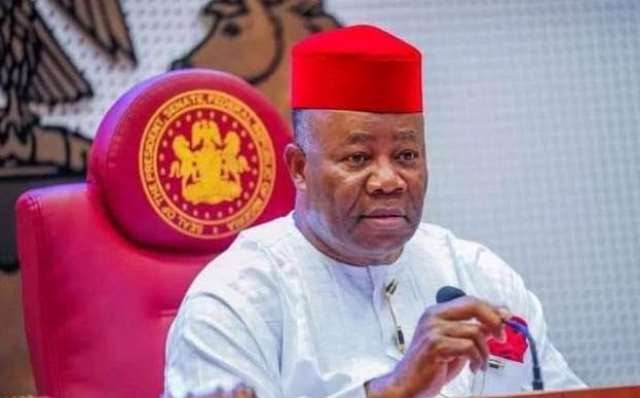
What we see instead is an arrangement dominated by political heavyweights who are often unreachable, disconnected from ordinary people and sometimes behave as though they personally own the votes required to deliver electoral victory.
This is a fundamental misunderstanding of democracy.
No godfather owns the votes of his followers. No political officeholder can guarantee the loyalty of an electorate. And no amount of political influence can permanently substitute for the wishes and choices of voters.
The people are not political commodities to be transferred from one candidate to another through endorsements and carefully arranged photographs.
Campaigns should be built around voters, not personalities.
Rather than expend enormous resources maintaining bloated campaign councils, candidates should invest in competent people who can reach every ward, polling unit and community, listen to the electorate, communicate the candidate’s programme and earn public confidence.
The ultimate measure of a campaign council is not how many political big names it contains, but how effectively it connects the candidate to the voters.
Nigerian politicians must understand one simple democratic principle: political influence may open doors, but only voters can deliver victory. And voters remain free to make their own choices.