Resource Wealth, Public Poverty: Nigeria’s Paradox Must Be Confronted — by Otunba (Dr) Abdulfalil Abayomi Odunowo

**Resource Wealth, Public Poverty: Nigeria’s Paradox Must Be Confronted**
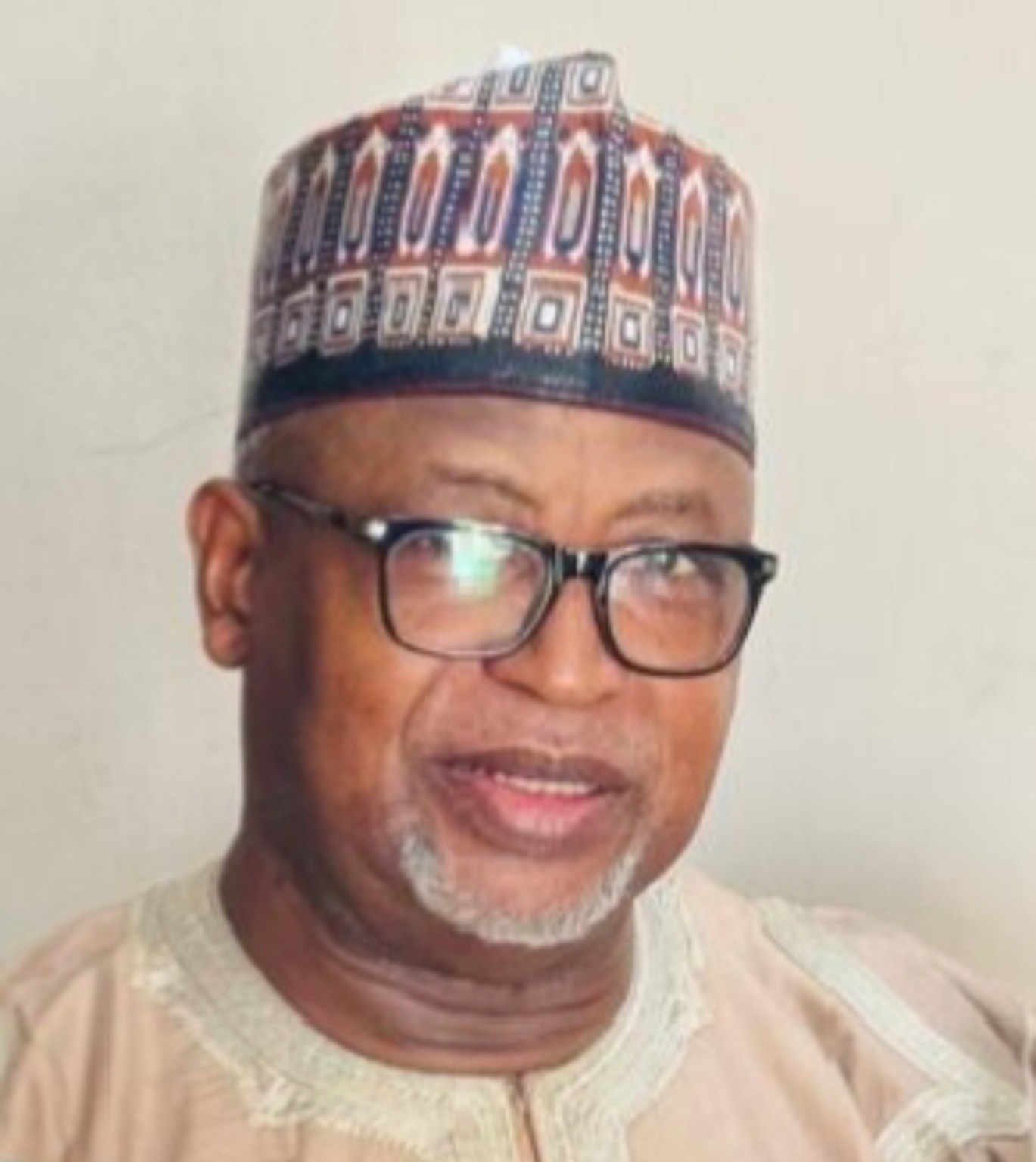
By Otunba (Dr) Abdulfalil Abayomi Odunowo
Nigeria is at a pivotal crossroads, and the paradox is hard to miss: extraordinary resource endowment sitting alongside widespread economic strain for ordinary citizens.
Nigeria ranks among the world’s top 10 in proven natural gas reserves (approximately 186–211 trillion cubic feet, or about 2.6–2.7% of global totals, placing it 8th–9th globally) and holds around 37 billion barrels of proven crude oil reserves (roughly 11th globally and 2nd in Africa).
Yet with a population exceeding 200 million (projected near 243 million by 2026), GDP per capita stays stuck at roughly $1,000–1,400 in nominal terms, far below what many people expect from a resource giant. Wealth gets spread thin across a massive population, and when you add long-running inefficiencies in the value chain, it becomes clearer why abundance hasn’t translated into broad-based prosperity.
**Objective Comparison with Other Gas- and Oil-Rich Nations**
Public debate often leans on sharp comparisons around minimum wages and pump prices. There’s a sliver of truth in those arguments, but they routinely skip the basic differences that matter most: scale, governance capacity, and economic structure.
* Qatar, home to about 3 million people, with a staggering GDP per capita that regularly falls somewhere between $70,000 and $120,000 (PPP),and Saudi Arabia, which boasts roughly 37 million residents and a nominal GDP per capita around $35,000, both stand out for their remarkably generous resource allocation on an individual basis.. Not only do they each benefit from smaller population bases compared to regional peers, but they’ve also cultivated robust sovereign wealth systems and have long maintained substantial fiscal cushions. Here’s the thing: Qatar manages to keep fuel prices astonishingly low for its citizens (we’re talking in the ballpark of $0.50–0.58 USD per litre) thanks to hefty government subsidies; meanwhile Saudi drivers pay slightly more at the pump, about $0.62 USD per litre. Over decades, both nations have poured resources into creating highly efficient refining and distribution networks.. This is no accident,it’s years of strategic investment paying off in spades.
• Norway (oil-funded but high-tax model) and the United States operate with stronger institutions, more diversified economies, and deeper infrastructure. Fuel prices reflect different choices: Norway taxes heavily to sustain welfare, while the US leans on market-driven refining capacity.
Nigeria, meanwhile, has for years depended on importing refined products despite its reserves, lived with chronic foreign exchange volatility, and carried a population 50–80 times larger than many Gulf states. Its pre-reform fuel subsidies weren’t just expensive, they were structurally destructive, costing billions each year while incentivizing corruption and smuggling, and still failing to build real domestic capacity. Current petrol prices are approximately ₦1,100–1,300 per litre (~$0.76–0.92 USD/litre as of early 2026). Yes, that’s higher than subsidized Gulf peers, but it remains among the lower global prices when viewed in context and sits below prices in many non-producing countries. Nigeria’s minimum wage (recently around ₦70,000 monthly) is tied to productivity and fiscal constraints, not simply “neglect.”
So, no, these differences aren’t conspiratorial. They’re structural: smaller populations plus decades of disciplined investment plus sovereign buffers make Gulf-style pricing possible. Nigeria’s scale demands something else entirely, a shift from raw extraction to serious domestic value addition.
**The Core Challenge: From Extraction to Value Creation**
The real problem isn’t scarcity. It’s conversion. Nigeria pumps crude and holds enormous gas, but historically imported much of its refined fuel, earned forex, and still wrestled with currency instability and weak infrastructure.
That’s a value-chain failure, not a resource failure. And the Tinubu administration’s Renewed Hope Agenda is designed to tackle exactly that, head-on, with reforms that are bold, uncomfortable, and (arguably) overdue.
**Fuel Subsidy Removal: A Painful but Essential Breakthrough**
For decades, fuel subsidies papered over deep inefficiencies, bled public finances, and warped markets. Removing them in 2023, a central pillar of the Renewed Hope Agenda, was fiscally unavoidable and politically courageous. It has also produced measurable outcomes:
• FAAC allocations to states and federal levels more than doubled (from ₦16 trillion in 2023 to over ₦35 trillion by end-2025), creating room for infrastructure spending, wage support, and social investment.
• Domestic refining is accelerating. The Dangote Refinery (650,000 barrels per day capacity, Africa’s largest) has ramped up output, supplying a growing share of national demand (over 60% of petrol in some months, with domestic refineries contributing ~92% of supply in early 2026 data) and cutting import dependence sharply. Plans to expand to 1.4 million bpd point to even deeper self-sufficiency.
• Inflation, after spiking post-reform, has shown sustained moderation (headline figures declining toward single digits in projections), helped by agricultural incentives, reduced trade barriers, and stronger external reserves (~$45 billion reported in recent updates).
• Investor confidence is improving, with unified exchange rates correcting long-standing distortions.
Countries that keep fuel persistently cheap either bankroll massive subsidies (often made possible by small populations and deep wealth buffers) or operate mature domestic refining ecosystems. Before 2023, Nigeria had neither at scale. The administration is now prioritizing the second option while rolling out targeted palliatives, cash transfers, wage adjustments, and transport and food support to cushion the most vulnerable. The pain is real, and nobody should pretend otherwise, but it reflects a conscious move away from unsustainable populism toward long-term stability.
**Reframing Under the Renewed Hope Agenda**
The Tinubu administration is pursuing a straightforward strategy: convert resource wealth into real, lived prosperity.
1. Domestic Energy and Refining Revolution An aggressive drive for gas-to-power, refinery rehabilitation, and private investment (with Dangote as a clear example). The logic is simple: resources must power local productivity and industrialization first.
2. Productivity-Linked Growth Reforms are aimed at expanding output (IMF/World Bank project ~4.4% GDP growth for 2026), creating jobs, and ensuring wages rise with productivity, not with fiscal illusion.
3. Targeted Social Protection Direct transfers, expanded safety nets, and sector-specific support (agriculture, MSMEs) are replacing blanket subsidies. The agenda is explicit about getting reform dividends to households
4. Institutional Reform and Transparency Cutting leakages, improving revenue collection, and enforcing accountability sit at the heart of the programme. Increased FAAC flows and anti-corruption focus are part of that progress.
This isn’t theoretical. It’s a political economy