Why are Coups Making a Comeback in Africa?

July 22
14:20
2022
Threat to democratic gains
What is clear is that these coups pose a serious threat to the democratic gains African countries have made in recent decades. Worryingly, research shows that many Africans are increasingly ceasing to believe elections can deliver the leaders they want.
Surveys conducted across 19 African countries in 2019/20 showed just 4 in 10 respondents (42%) now believe elections work well to ensure “MPs reflect voters’ views” and to “enable voters remove non-performing leaders.”
In other words, less than half believe elections guarantee representativeness and accountability, key ingredients of functional democracies.
Across 11 countries polled regularly since 2008, the belief elections enable voters remove non-performing leaders has dropped by 11% points among citizens, according to the survey. It is not that Africans no longer want to choose their leaders via elections, it is simply that many now believe their political systems are gamed.
Leaders like the deposed Conde are part of the problem. The only reason he was still in power until the coup was because he engineered constitutional changes in 2020 to enable himself serve a third-term as president, a common practise by several leaders on the continent, from Uganda’s Yoweri Museveni to Alassane Ouattara in Côte d’Ivoire.

The African Union is rightly condemning Guinea’s coup, but its response to such constitutional abuses has been muted.
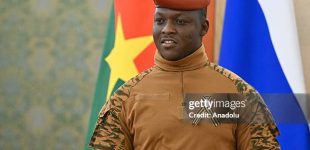
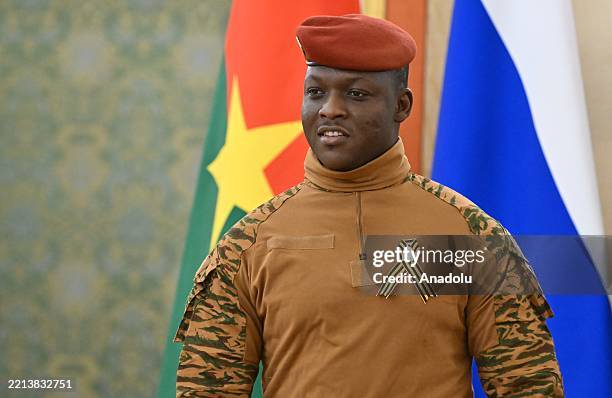
These double standards and perceived elite conspiracies create the perfect environment for young swashbuckling officers like the 41-year-old Doumbouya to step in and promise to save the day.
“If the people are crushed by their elites, it is up to the army to give the people their freedom,” said Guinea’s new leader, quoting the former Ghanaian president Jerry Rawlings who himself led two coups
It is perhaps no coincidence Doumbouya quoted the feisty Rawlings, who was very effective at expressing the anger Ghanaians felt towards their political elites when he led military juntas in the 1980s. Desperate citizens living in political systems they often rightly believe are fixed can easily be seduced by anti-elite, anti-corruption rhetoric coupled with the promise of the new.
We should, unfortunately, prepare ourselves for the eventuality of more coups in Africa in the coming years. They are not to be expected in richer countries with strong institutions such as South Africa, Ghana or Botswana but in the poorer more fragile states. As are Mali, Niger, Chad and now Guinea where coups and coup attempts have recently occurred.
Fifteen of the twenty countries topping the 2021 Fragile States Index are in Africa, including countries like Cameroon, Central African Republic, Somalia and South Sudan as well as larger nations like Democratic Republic of Congo, Ethiopia (which has been experiencing violent internal conflict for close to a year now) and Nigeria, Africa’s most populous country.

This increasing probability of coups will make Africa in general less predictable and stable, a negative for investors that could end up worsening the economic situation.
Can this undesirable trend be reversed? Yes, but while the international condemnations of coups in Guinea and elsewhere are crucial as deterrents to other would-be power grabbers, the only actors who truly have the power to reverse this worrying trend are African leaders themselves.
They are the ones in charge on the ground and it is their response to these recent events that will be the deciding factor. They need to reignite the belief democracy can deliver for Africans. But if the problems still being cited to justify coups continue to worsen in today’s African democracies, then the temptation to try something else will continue to be dangerously seductive, both for coupists and citizens alike.